Engineering Calculators for Aerospace, Avionics, EMI/EMC and PCB Design
Electronic Design Service (EDS) provides engineering calculators supporting aerospace electronics development, avionics qualification, lightning protection design , EMI/EMC engineering, and high-reliability PCB development.
Unlike generic online calculators, EDS tools are developed with consideration for real-world qualification environments including:
- RTCA DO-160
- EMI/EMC qualification
- Lightning transient environments
- Aerospace PCB reliability
- High-current transient survivability
These calculators are intended to support engineering estimation, early-stage design analysis, and qualification-oriented hardware development.
Typical applications include:
- Lightning protection PCB design
- Trace survivability analysis
- Electrical interface design
- EMI/EMC engineering
- Avionics qualification preparation
- Aerospace electronics development
These engineering tools complement our broader avionics development and qualification support activities
Lightning Trace Width Calculator
Short Description
The Lightning Trace Width Calculator estimates PCB trace width requirements for transient lightning current survivability based on conductor thermal behavior and pulse energy analysis.
The calculator is intended for aerospace and high-reliability electronic applications where PCB conductors may be exposed to high-energy transient environments associated with lightning qualification testing.
Typical Applications
RTCA DO-160 lightning environments
Aerospace PCB protection design
Avionics interface survivability analysis
High-current transient conductor sizing
EMI/EMC qualification support
Aircraft electronic system
User Guide
- Choose the "Trace Copper Type" by using drop down list
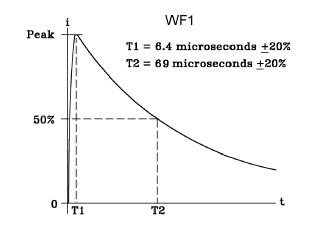
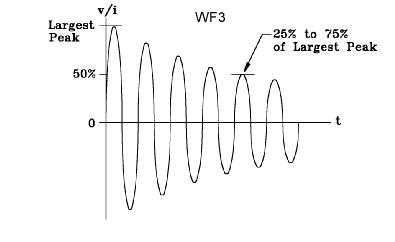
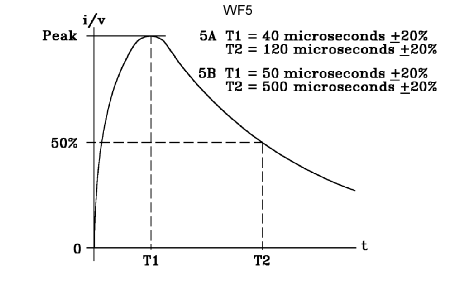
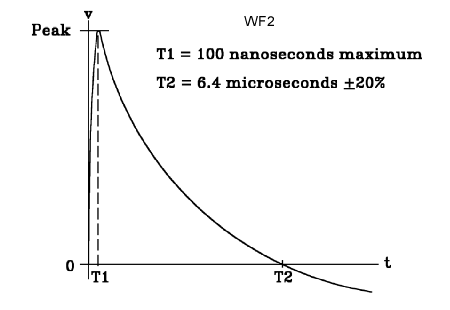
- Choose "WF" waveform type by using drop down list
- Type maximum current pulse value in "I peak " value field
- Read recommended trace width in "W" value field
Note: The minimum recommended trace width for avionics lightning application is 3.5 mils
Operation Principle
The calculation method is based on copper conductor thermal behavior and melting temperature estimation.
The approach considers:
- Conductor cross-sectional area
- Pulse duration
- Thermal energy transfer
- Temperature rise from ambient
- Copper melting temperature
Copper melting temperature used:
1083°C
The method incorporates transient current energy represented by:
∫I²(t)dt
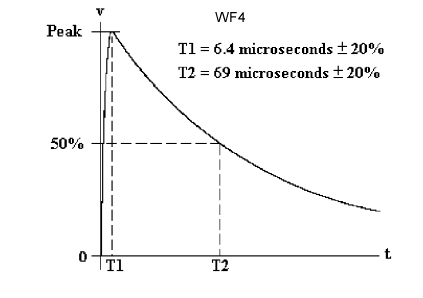
Lightning waveform energy assumptions are associated with RTCA DO-160G transient environments.
Engineering Notes
Unlike standard IPC current calculators, this method focuses on transient energy survivability rather than steady-state thermal rise.
The calculator is intended as an engineering estimation tool and should be validated against:
Qualification requirements
PCB stackup
Material properties
Environmental conditions
Applicable certification standards
Frequently Asked Questions
What is a lightning trace width calculator?
A lightning trace width calculator estimates PCB conductor sizing requirements for transient lightning current survivability.
Is this calculator based on DO-160?
The calculator supports engineering estimation associated with RTCA DO-160 lightning environments.
Why are standard PCB calculators not sufficient?
Most standard PCB calculators focus on continuous current rather than high-energy transient pulse survivability.
What is ∫I²(t)dt?
∫I²(t)dt represents transient current energy over time and is commonly used in lightning and surge energy analysis.
Can this calculator be used for avionics qualification?
The calculator is intended to support qualification-oriented engineering estimation and early-stage design analysis.
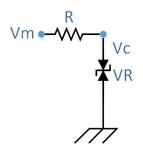
Lightning Protection Electrical Design Calculator
Determine appropriate resistor values for avionics lightning protection applications.
This tool supports safe circuit design in environments where transient protection and current limiting are critical.
User Guide
- Type maximum pulse peak voltage in "Vm (peak voltage)" field
- Type TVS clamping voltage in "Vm (peak voltage)" field
- Choose "WF" waveform type by using drop down list
- Type resistor value in "R (Ohms) " value field
- Read calculated parameters in "Results" fields
Note: 5% margin added in power calculation for confidence