
Home > Engineering Services > EMI EMC Design Support for Avionics Systems
Electronic Design Service (EDS) provides EMI EMC avionics design consulting, supporting the development of reliable avionics electronics operating in complex electromagnetic environments.
Avionics systems operate in environments where electromagnetic interference can originate from radios, power electronics, switching circuits, wiring harnesses, and external electromagnetic sources. Therefore, electromagnetic compatibility must be addressed during the early stages of system design.
If not properly controlled, electromagnetic interference can disrupt critical avionics functions, affect communication systems, or introduce unexpected system behavior.
For this reason, effective electromagnetic compatibility (EMC) design ensures that avionics equipment operates correctly while minimizing electromagnetic disturbances.
EDS consulting services help avionics engineers address EMI and EMC challenges through practical engineering solutions. For example, our support includes PCB layout guidance, filtering strategies, grounding practices, and interface protection design.
EMI EMC avionics design is critical for achieving reliable system performance and successful qualification testing.
As a result, development teams can improve electromagnetic robustness, reduce design risk, and prepare avionics hardware for qualification testing.
EMI EMC Avionics Design Challenges
Modern aircraft contain numerous electronic systems operating simultaneously, including communication, navigation, flight control, radar, and power conversion equipment.
These systems must operate reliably within a complex electromagnetic environment while avoiding interference with other onboard equipment.
Common EMI/EMC challenges in avionics systems include:
• radiated interference from RF transmitters
• conducted noise through power and signal wiring
• coupling through wiring harnesses and cable bundles
• switching noise from power converters and digital circuits
• susceptibility of sensitive analog and RF circuits
Proper electromagnetic compatibility design ensures that avionics electronics can function correctly while sharing the same electromagnetic environment with other aircraft systems.
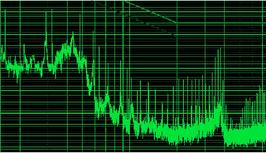
EMI EMC Design Support
EDS provides engineering consulting to assist avionics design teams in developing robust electromagnetic compatibility solutions.
Engineering support may include:
• EMI / EMC design review of avionics electronics
• PCB layout guidance for electromagnetic compatibility
• filtering and transient suppression strategies
• interface protection and grounding design
• mitigation of conducted and radiated interference
These engineering services help identify potential EMI risks early in the design phase and reduce the likelihood of problems discovered during qualification testing.
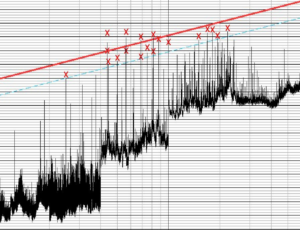
Typical EMI EMC Design Mistakes in Avionics Systems
Even well-designed avionics systems can experience electromagnetic compatibility issues if EMI/EMC considerations are not addressed early in the design process.
Common design mistakes include:
Poor PCB Layout for EMI EMC Performance
Inadequate control of return current paths, improper grounding, and poor component placement can create unintended coupling paths and increase electromagnetic emissions.
For example, long current loops and discontinuous ground planes often lead to radiated interference problems.
In addition, poor PCB stackup definition can significantly degrade EMI/EMC performance. If reference planes are not properly defined or signal layers are not correctly arranged, return current paths become uncontrolled. This can increase loop areas, radiated emissions, and susceptibility to external interference.
A well-defined PCB stackup with continuous reference planes and controlled layer arrangement is essential for effective EMI EMC avionics design.
Insufficient Filtering and Protection
Failure to properly design input filtering and transient protection circuits can allow conducted noise to enter sensitive avionics electronics.
As a result, systems may become susceptible to power line disturbances and external electromagnetic sources.
Inadequate Grounding and Shielding Strategy
Improper grounding schemes or ineffective shielding can significantly degrade EMC performance.
For instance, incorrect cable shielding termination or multiple ground reference points can introduce noise coupling and ground loops.
Ignoring High-Speed Signal Integrity Effects
High-speed digital signals can act as unintended sources of electromagnetic interference if routing and impedance control are not properly managed.
This is especially important in modern avionics systems with fast switching devices and high data rates.
Late Identification of EMI EMC Issues
Addressing EMI/EMC problems only during qualification testing often leads to costly redesigns and schedule delays.
Therefore, incorporating EMI EMC avionics design practices early in development significantly improves the likelihood of successful testing.
EDS engineering consulting helps identify and resolve these EMI EMC avionics design challenges early, reducing development risk and improving overall system robustness.
PCB Layout Considerations for EMI EMC Design
PCB layout plays a critical role in achieving electromagnetic compatibility in avionics electronics.
Improper component placement, grounding strategy, or routing of high-speed signals can introduce unintended electromagnetic coupling paths.
EDS consulting can assist engineers with PCB layout strategies including:
• return current path control
• separation of sensitive and noisy circuits
• shielding and grounding practices
• routing of high-speed digital signals
• mitigation of conducted and radiated emissions
Proper PCB layout techniques can significantly improve EMC performance and reduce the need for late-stage design modifications.
Standards and Qualification Considerations
Avionics equipment must demonstrate compliance with industry environmental and electromagnetic standards.
One of the primary standards used for avionics environmental qualification is RTCA DO-160, which includes multiple sections related to electromagnetic compatibility and interference testing.
These tests evaluate parameters such as:
• conducted emissions
• radiated emissions
• conducted susceptibility
• radiated susceptibility
• electrostatic discharge (ESD)
Engineering attention to EMI and EMC design during early development stages greatly improves the probability of successful qualification testing.
Related Engineering Resources
EDS provides additional engineering resources that support avionics hardware development.
👉 Electrical Design Calculators
Useful tools for estimating PCB trace width and protection resistor values during early design stages.
👉 Lightning Protection Design Consulting
Engineering support for protection against lightning-induced transients in avionics systems.
Engineering Services
This service is part of the broader engineering consulting activities provided by Electronic Design Service.
EDS consulting supports avionics engineers in areas including:
• EMI EMC avionics design
• high-speed digital PCB layout
• avionics electrical interface design
👉 Learn more on the Engineering Services page
Contact Our Engineering Team
If your engineering team requires support with EMI EMC avionics design, EDS consulting services can help evaluate design approaches and improve system robustness.
👉 Contact our engineering team to discuss your project.